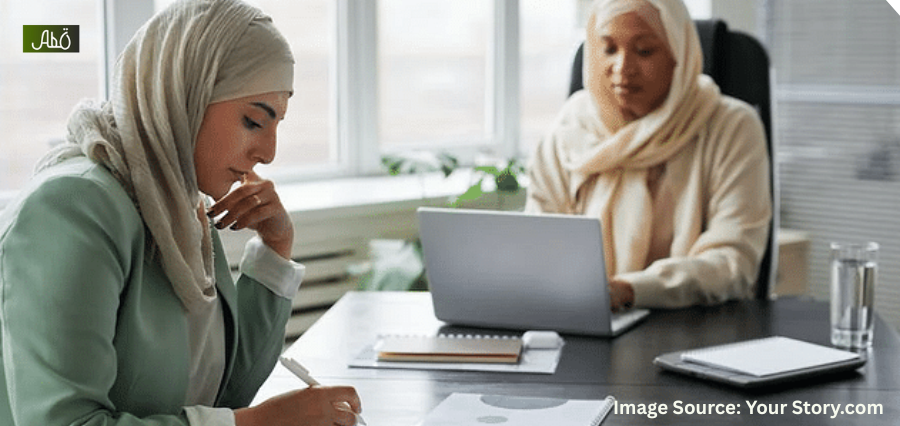
Across the Middle East, a new generation of founders is changing the way businesses are created, financed, and scaled. Women entrepreneurs in the Middle East are increasingly building companies across technology, e-commerce, healthcare, education, finance, professional services, consumer brands, and other emerging industries. Their growing participation comes as governments and businesses across the region place greater emphasis on private-sector development, innovation, economic diversification, and job creation.
The opportunity is significant. The World Bank has identified women’s participation in entrepreneurship and the wider private sector as an important source of growth for the MENA region. Its research indicates that closing the gender employment gap could increase income per capita by around 50% in a typical MENA economy.
Women Entrepreneurs in the Middle East Are Expanding Across New Industries
The profile of entrepreneurship across the region is becoming more diverse. Women founders are establishing businesses in sectors that align closely with the Middle East’s economic transformation, including technology, fintech, healthcare, education, retail, tourism, creative industries, and professional services.
Digital platforms have been particularly important. E-commerce, social commerce, digital payments, online education, and technology-enabled services allow entrepreneurs to reach customers beyond their immediate geographic markets. The World Economic Forum has highlighted how women-led businesses across MENA are using areas such as e-commerce and fintech to address consumer needs while creating new commercial opportunities.
This expansion also reflects a broader transformation in the GCC. The World Bank expects economic growth across the GCC to be supported increasingly by non-hydrocarbon sectors, private investment, structural reforms, innovation, and entrepreneurship.
Saudi Arabia and the UAE Are Strengthening the Entrepreneurial Ecosystem
Saudi Arabia and the UAE have become important centers for entrepreneurship and startup activity in the region. Their expanding technology ecosystems, investment networks, accelerators, incubators, and business-support programs are creating additional pathways for founders to establish and grow companies.
In Saudi Arabia, the broader economic transformation under Vision 2030 has increased attention on private-sector development, entrepreneurship, technology, and women’s economic participation. The UAE has similarly developed a strong startup environment around Dubai and Abu Dhabi, supported by access to international investors, financial institutions, technology companies, and global markets.
The changing environment is reflected in the World Bank’s latest Women, Business and the Law data. In Saudi Arabia, the 2026 edition records entrepreneurship support mechanisms at 68% of the measured framework, while the country enacted three reforms related to gender equality in employment and entrepreneurship between October 2023 and October 2025.
Access to Finance Remains a Critical Issue
Despite the progress, access to capital remains one of the most important challenges facing women entrepreneurs in the Middle East. Building a business requires more than an idea. Founders need working capital, investment, banking services, networks, experien