
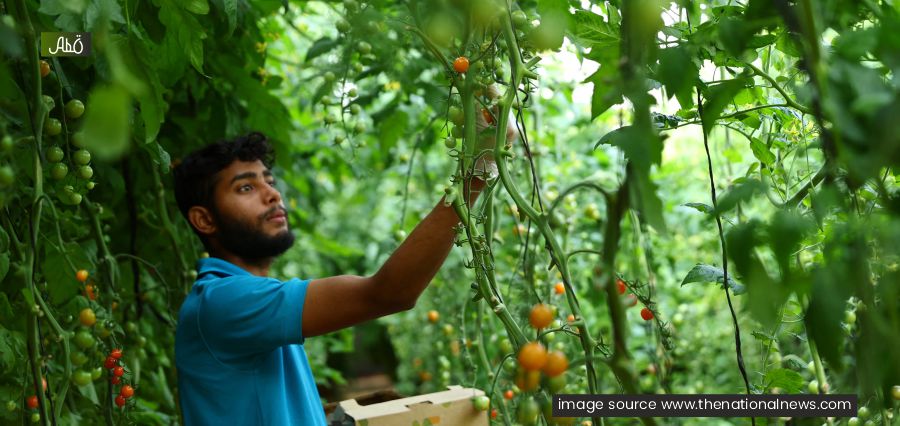
Investments in agriculture and food systems could create up to five million new jobs across the Middle East and North Africa by 2050, according to new economic projections highlighting the sector’s growing role in addressing unemployment, food security, and economic diversification.
The findings come as governments across the region face mounting pressure to create employment opportunities for rapidly growing populations while simultaneously strengthening food resilience amid climate challenges, supply chain disruptions, and geopolitical uncertainty. The agrifood sector is increasingly being viewed not only as a source of food production but also as a major engine for economic growth and job creation.
Agrifood Sector Emerges as Major Employment Driver
The broader agrifood ecosystem already supports tens of millions of jobs across the region, spanning activities that extend far beyond traditional farming. Food processing, logistics, transportation, storage, retail, packaging, and food services are becoming increasingly important contributors to employment growth and economic activity.
Unlike conventional agriculture, these downstream industries offer opportunities for higher-value jobs, greater technological adoption, and increased private sector participation. The expansion of food manufacturing and supply chain infrastructure is creating demand for professionals in engineering, logistics management, technology, and business operations.
The region’s working-age population is expected to increase significantly over the next quarter century, intensifying the need for industries capable of generating large-scale employment opportunities. Agrifood investment is increasingly viewed as one of the most practical solutions for addressing youth unemployment while strengthening rural economies and reducing migration pressures.
Food Security Challenges Drive Investment Needs
Rising food demand, water scarcity, climate change, and geopolitical instability are creating new urgency around food system transformation across the Middle East and North Africa. Demand for food is projected to increase substantially by mid-century as populations continue to grow and urbanization accelerates.
At the same time, many countries in the region remain heavily dependent on food imports, exposing them to global price fluctuations and supply disruptions. Policymakers are increasingly prioritizing investments in local production capabilities, agricultural technology, water-efficient irrigation systems, and resilient supply chains.
Modernizing food systems will require substantial capital investments alongside regulatory reforms designed to encourage private sector participation and innovation. Areas such as precision agriculture, smart irrigation, agri-tech solutions, cold storage infrastructure, and digital marketplaces are expected to attract growing investor interest in the coming years.
Private Sector Expected to Play Central Role
Business reforms and investment-friendly policies are expected to be critical for unlocking the sector’s full economic potential. Governments across the region are increasingly seeking partnerships with private companies, financial institutions, and technology providers to accelerate agricultural modernization and improve productivity.
Improved logistics networks, stronger trade integration, better access to financing, and digital transformation initiatives are likely to become key priorities for policymakers aiming to create sustainable growth across food value chains.
Industry observers note that agrifood systems offer a unique opportunity to simultaneously address multiple policy objectives, including employment creation, economic diversification, food security, and environmental sustainability.
As the region searches for new sources of long-term growth beyond traditional industries, agriculture and food systems are emerging as strategic sectors capable of generating substantial economic and social returns. The coming decades may see agrifood investment become one of the defining pillars of economic transformation across the Middle East and North Africa.
Read Also: Arcera and Daewoong Expand Partnership to Introduce Diabetes Treatment Across the Middle East