
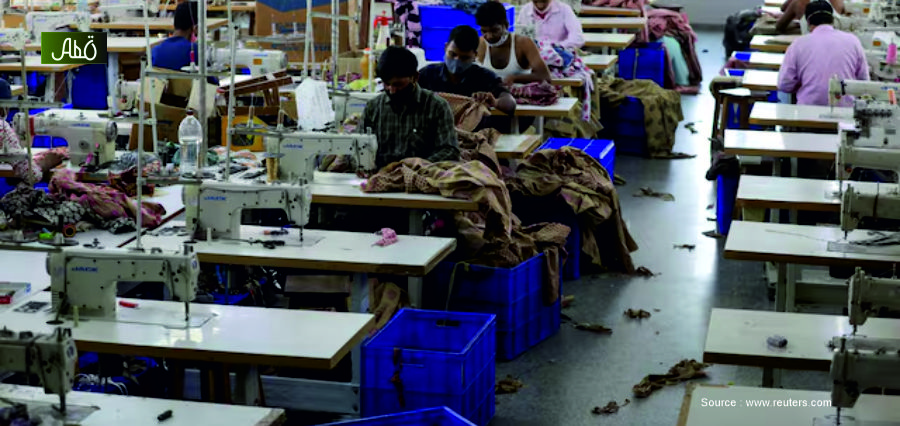
Raymond Lifestyle is looking to strengthen its presence in European markets as India’s apparel exporters seek to reduce their dependence on the United States.
The strategy comes as changing trade conditions and uncertainty around access to the US market encourage Indian textile and apparel companies to diversify their export destinations.
Europe offers a large consumer market with established demand for Indian-made garments, while recent trade discussions between India and European markets could create additional opportunities for exporters.
For Raymond Lifestyle, expanding its European business could provide a more balanced geographical mix and reduce the risks associated with relying heavily on a single overseas market.
Trade Agreements Could Support Apparel Exports
India’s trade negotiations and agreements with European markets are becoming increasingly important for the apparel industry.
Lower tariffs and improved market access can make Indian garments more competitive against products manufactured in other low-cost production centres.
For exporters, the benefits go beyond tariffs. Greater trade certainty can encourage companies to enter into longer-term supply arrangements, expand manufacturing capacity and invest in new product categories.
European customers are also increasingly looking for diversified sourcing locations, creating an opportunity for Indian manufacturers to capture a larger share of global apparel supply chains.
Raymond Lifestyle’s strategy therefore reflects a broader effort by Indian textile companies to position themselves as reliable alternatives for international brands seeking to diversify their sourcing.
US Dependence Has Become a Strategic Risk
The United States remains one of the most important destinations for Indian apparel exports, but excessive dependence on the market can expose companies to sudden changes in tariffs, trade policy and consumer demand.
For exporters, even relatively small changes in import costs can affect the competitiveness of products in the American market.
This has encouraged Indian companies to look at Europe and other regions as additional growth markets rather than relying predominantly on the US.
Expanding into other markets does not mean abandoning the American market. Instead, companies can seek to maintain their existing US relationships while simultaneously developing stronger positions in Europe, Asia and other international markets.
Such a strategy can provide greater resilience when conditions in one market deteriorate.
Raymond Lifestyle Can Leverage Its Manufacturing Capabilities
Raymond Lifestyle has an established presence in India’s textile and apparel industry, giving it a platform from which to pursue international growth.
The company can potentially benefit from India’s expanding role in global apparel manufacturing as international brands look for suppliers outside traditional production hubs.
India has advantages including a large textile ecosystem, skilled labour, established manufacturing capabilities and access to both domestic and international markets.
However, competing globally requires companies to meet demanding standards around quality, delivery times, sustainability and product innovation.
European expansion could therefore encourage Raymond Lifestyle to strengthen its capabilities across the entire export value chain, from product development and manufacturing to logistics and relationships with international retailers.
Europe Could Become a More Important Export Destination
The shift toward Europe reflects a wider transformation in India’s apparel-export strategy.
Indian manufacturers are increasingly seeking markets where they can build long-term relationships rather than relying heavily on a small number of destinations.
Europe is particularly attractive because of its large consumer base and demand for fashion, textiles and branded apparel.
Greater market access could also encourage Indian manufacturers to move toward higher-value products rather than competing primarily on low production costs.
This could benefit companies such as Raymond Lifestyle if they are able to combine India’s manufacturing strengths with European market requirements and consumer preferences.
Diversification Is Becoming Central to the Apparel Industry
For India’s apparel sector, the broader lesson is that export growth increasingly depends on market diversification.
The US will remain an important market, but companies are looking beyond it to reduce exposure to trade-policy changes and fluctuations in consumer demand.
Europe represents one of the most promising alternatives, particularly as India strengthens its trade relationships with European economies.
For Raymond Lifestyle, expanding European business could therefore serve two purposes: creating a new source of revenue growth and reducing concentration risk in the US market.
If trade agreements improve access for Indian apparel, the resulting opportunities could extend beyond individual companies and help India increase its share of global textile and clothing exports.
The longer-term objective is to move from dependence on a few major markets toward a broader international customer base, giving Indian apparel manufacturers greater resilience and more room to grow.