
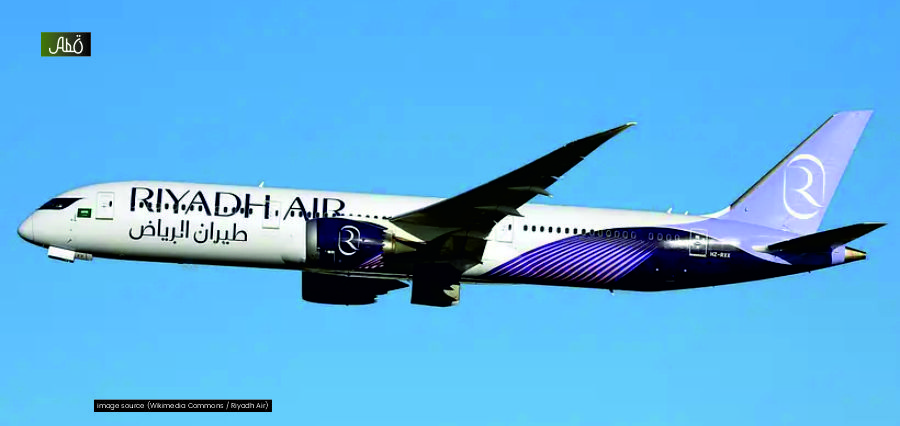
Saudi Arabia is preparing for a major milestone in its aviation sector as Riyadh Air commercial flights are expected to commence in the second half of 2026. The launch of the Kingdom’s new national airline represents a key component of Saudi Vision 2030, supporting the country’s ambition to become a leading global aviation hub connecting Asia, Europe, and Africa. With steady progress in fleet expansion, airport development, and operational planning, Riyadh Air is positioned to become a key driver of Saudi Arabia’s aviation transformation.
The airline has already secured aircraft orders, established strategic partnerships with leading aviation companies, and expanded recruitment efforts to build a world-class workforce. Once operations begin, Riyadh Air will gradually introduce domestic and international routes while contributing to tourism growth, business travel, and economic diversification.
Riyadh Air Commercial Flights to Expand Global Connectivity
The introduction of Riyadh Air commercial flights is expected to significantly strengthen Saudi Arabia’s global connectivity. Operating from King Khalid International Airport in Riyadh, the airline aims to connect the Kingdom with more than 100 international destinations over the coming years.
The carrier forms an important part of the National Aviation Strategy, which seeks to increase passenger traffic, enhance cargo operations, and position Riyadh as a major international transit hub. By expanding direct air links, Saudi Arabia intends to attract more tourists, facilitate international business, and improve access to global markets.
Riyadh Air has placed substantial aircraft orders with Boeing and Airbus while investing in advanced digital technologies to deliver a modern passenger experience. The airline also plans to incorporate sustainable aviation practices and innovative customer services that align with international aviation standards.
Aviation Growth Supports Economic Diversification
Saudi Arabia continues investing heavily in aviation infrastructure as part of its broader economic transformation agenda. Alongside the launch of Riyadh Air, the Kingdom is developing new airports, expanding existing terminals, and increasing investments in logistics and cargo facilities to accommodate future growth.
The aviation sector has become a strategic pillar of Vision 2030, supporting industries such as tourism, hospitality, trade, logistics, and business services. Increased air connectivity is expected to stimulate foreign investment while creating thousands of new employment opportunities across aviation and related sectors.
Industry analysts believe the arrival of Riyadh Air will strengthen competition within the regional airline market while reinforcing Saudi Arabia’s position as an emerging global aviation destination. Modern fleet investments, premium service offerings, and expanded route networks are expected to attract both leisure and business travelers.
A New Era for Saudi Aviation
The launch of Riyadh Air commercial flights marks the beginning of a new chapter in Saudi Arabia’s aviation industry. As the Kingdom continues implementing Vision 2030 reforms, the airline is expected to become an important driver of tourism, international business, and economic growth.
By combining modern infrastructure, strategic geographic positioning, and significant investment in aviation, Saudi Arabia aims to establish Riyadh as one of the world’s leading air transport hubs. The airline’s expansion will support stronger global connectivity while enhancing the country’s competitiveness within the international aviation market.
With commercial operations expected to begin in 2026, Riyadh Air represents more than the launch of a new airline—it reflects Saudi Arabia’s long-term vision of building a diversified, globally connected economy. As new destinations are added and passenger services expand, the carrier is poised to play a central role in shaping the future of aviation in the Middle East and beyond.
Read More: Belarus Saudi Arabia Business Cooperation Gains Momentum with First Joint Business Council Meeting