
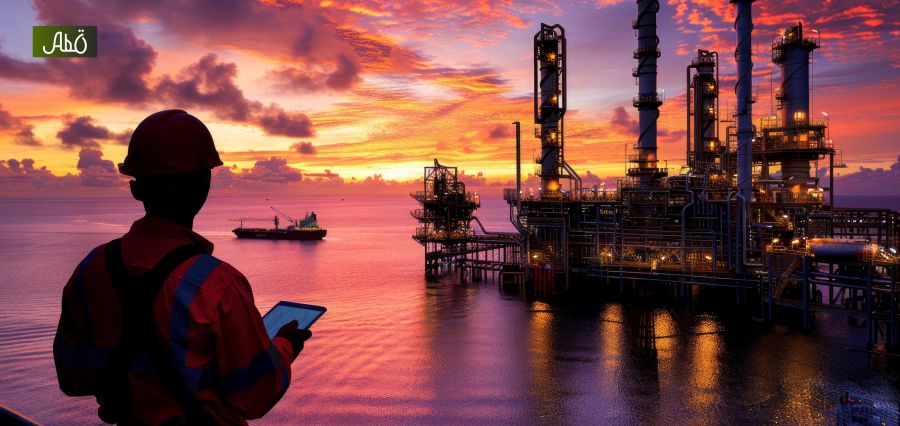
For more than half a century, oil revenues powered the growth of Arab economies and transformed the Gulf into one of the world’s wealthiest regions. However, changing energy markets, global climate goals, and rapid technological advancements are forcing governments to rethink their economic strategies. Today, The Future of Arab Economies Beyond Oil is becoming one of the most important economic stories of the twenty-first century.
Countries across the Middle East and North Africa are investing heavily in tourism, artificial intelligence, manufacturing, logistics, and renewable energy to secure long-term prosperity and reduce their dependence on hydrocarbon exports.
Why Arab Economies Must Diversify Beyond Oil
The global economy is gradually shifting away from fossil fuels. Renewable energy adoption is increasing, electric vehicles are reducing oil demand growth, and investors are prioritizing sustainable industries.
For Arab nations, relying solely on oil exports creates risks such as:
- Volatile oil prices
- Budget deficits during energy downturns
- Limited private sector development
- High dependence on government spending
- Employment challenges for growing populations
As a result, governments are accelerating economic reforms and investing in sectors that can generate stable and sustainable growth.
Tourism and Entertainment Are Becoming Major Growth Engines
Tourism has become one of the strongest pillars of The Future of Arab Economies Beyond Oil.
Saudi Arabia is investing hundreds of billions of dollars in heritage tourism, luxury resorts, and entertainment projects under Vision 2030. The UAE continues to expand its position as a global destination for business tourism, leisure travel, and international events.
Large-scale projects such as cultural districts, historical restoration programs, sports events, and entertainment hubs are attracting millions of international visitors every year.
The tourism sector also creates jobs across multiple industries including:
- Hospitality
- Transportation
- Retail
- Construction
- Food services
- Professional services
This makes tourism a critical contributor to non-oil GDP growth.
Artificial Intelligence and Technology Investments Are Accelerating
Technology is another major driver of The Future of Arab Economies Beyond Oil.
The Gulf states are investing aggressively in artificial intelligence, cloud infrastructure, cybersecurity, fintech, and digital services. Governments see technology as an opportunity to build globally competitive industries without relying on natural resources.
The UAE has established specialized AI investment initiatives, while Saudi Arabia is supporting startups, innovation hubs, and advanced digital infrastructure.
Key investment areas include:
- Artificial intelligence
- Smart cities
- Robotics
- Data centers
- Fintech solutions
- Semiconductor technologies
These sectors are expected to create high-value jobs and attract foreign investment over the coming decades.
Logistics and Trade Will Benefit From Strategic Geography
The Middle East sits at the crossroads of Europe, Asia, and Africa, giving Arab countries a unique advantage in global trade.
Ports, airports, free zones, and freight rail projects are expanding rapidly across the region. Governments are positioning their countries as major logistics hubs capable of serving global supply chains.
This strategy is particularly important because trade and logistics generate economic activity without dependence on oil production.
As global supply chains continue to diversify, logistics will become an increasingly important component of The Future of Arab Economies Beyond Oil.
Renewable Energy and Green Hydrogen Are Creating New Opportunities
Ironically, many Arab countries may remain global energy leaders even after the oil era ends.
The region enjoys some of the world’s highest solar radiation levels, making it ideal for renewable energy production. Massive investments in solar farms and wind projects are already underway.
Green hydrogen is emerging as one of the most promising industries for future exports. Countries are positioning themselves to become major suppliers of clean fuels to Europe and Asia.
This transition allows Arab nations to leverage their energy expertise while adapting to a low-carbon global economy.
Sovereign Wealth Funds Are Financing Economic Transformation
One of the biggest advantages Gulf economies possess is access to enormous sovereign wealth funds.
These investment vehicles are using decades of oil revenues to finance future industries including:
- Renewable energy
- Healthcare
- Technology
- Infrastructure
- Advanced manufacturing
- Biotechnology
Instead of depending on oil revenues alone, governments are converting petroleum wealth into productive assets that can generate long-term returns.
This financial strength gives Gulf economies a significant advantage in shaping The Future of Arab Economies Beyond Oil.
The Challenge Facing the Wider MENA Region
While Gulf countries possess large financial reserves, the transition is more difficult for many other Arab economies.
Several countries continue to face challenges such as:
- Youth unemployment
- Currency instability
- Infrastructure shortages
- Informal labor markets
- High public debt
Many economies in North Africa and the Levant also struggle with brain drain as highly skilled professionals move abroad for better opportunities.
As a result, the transition beyond oil will not happen at the same speed across the region.
Human Capital Will Determine Long-Term Success
Economic diversification requires more than infrastructure and investment capital. It requires skilled workers, entrepreneurs, and innovators.
Governments are therefore focusing on:
- Education reform
- Vocational training
- Research and development
- Female workforce participation
- Entrepreneurship programs
Building a knowledge-based economy will ultimately determine whether diversification efforts succeed.
Conclusion
The transformation taking place across the Arab world is one of the largest economic transitions in modern history. Tourism, artificial intelligence, logistics, renewable energy, and advanced manufacturing are gradually replacing oil as the primary engines of growth.
Although challenges remain, particularly outside the Gulf region, the long-term trajectory is clear. The Future of Arab Economies Beyond Oil will depend on innovation, human capital, and sustainable industries rather than hydrocarbon exports alone.
Countries that successfully convert today’s oil wealth into tomorrow’s productive assets will become the economic leaders of the post-oil era.
Frequently Asked Questions
What is driving the shift beyond oil in Arab economies?
Declining dependence on fossil fuels, climate policies, technological change, and economic diversification strategies are encouraging Arab countries to develop new industries.
Which sectors will dominate the future Arab economy?
Tourism, artificial intelligence, logistics, renewable energy, manufacturing, and financial services are expected to become major growth sectors.
Which countries are leading economic diversification efforts?
Saudi Arabia and the United Arab Emirates currently lead regional diversification efforts due to their large sovereign wealth funds and ambitious national strategies.
Why is renewable energy important for Arab economies?
Renewable energy and green hydrogen allow Arab nations to remain global energy suppliers while reducing dependence on traditional oil exports.