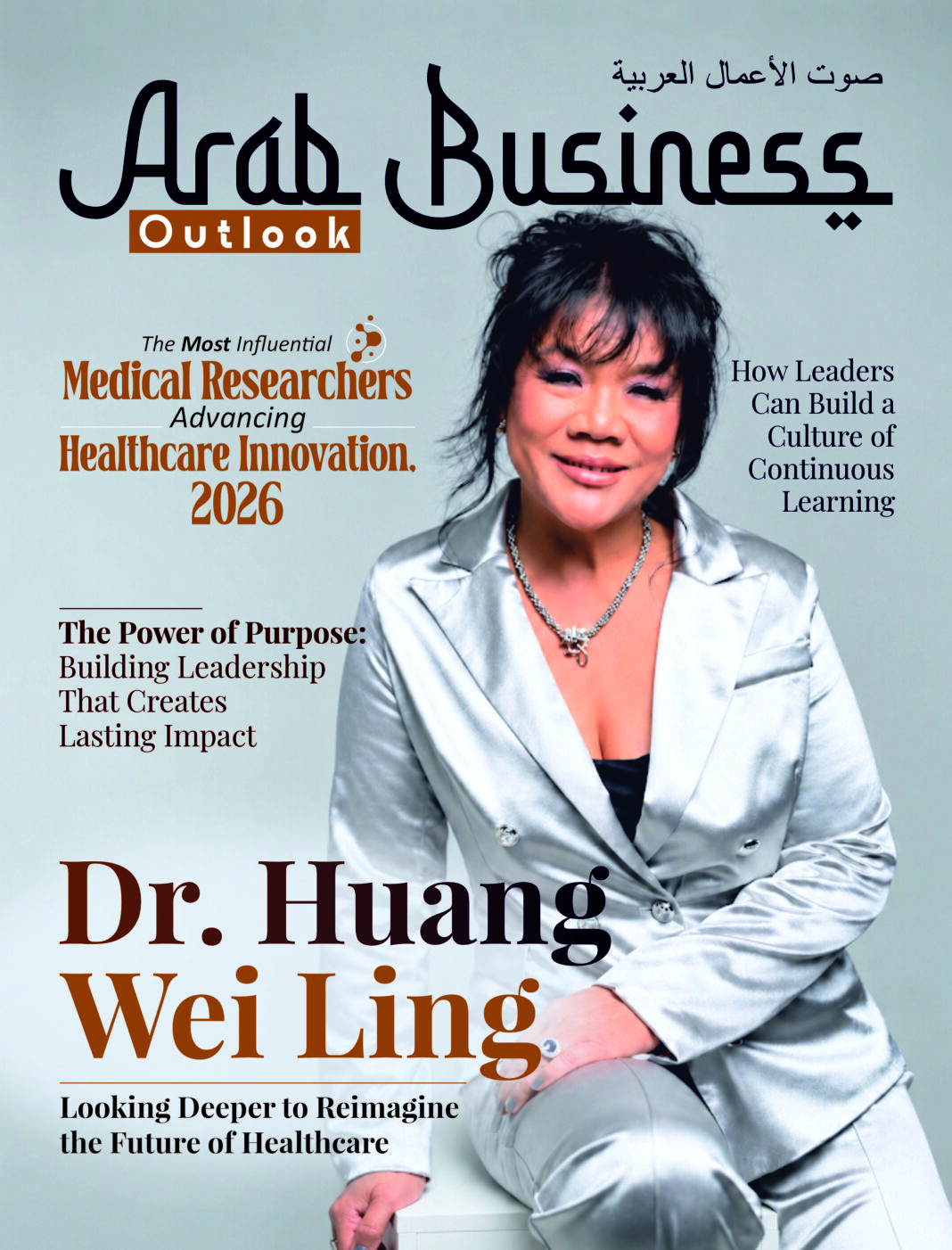
The Most Influential Medical Researchers Advancing Healthcare Innovation, 2026
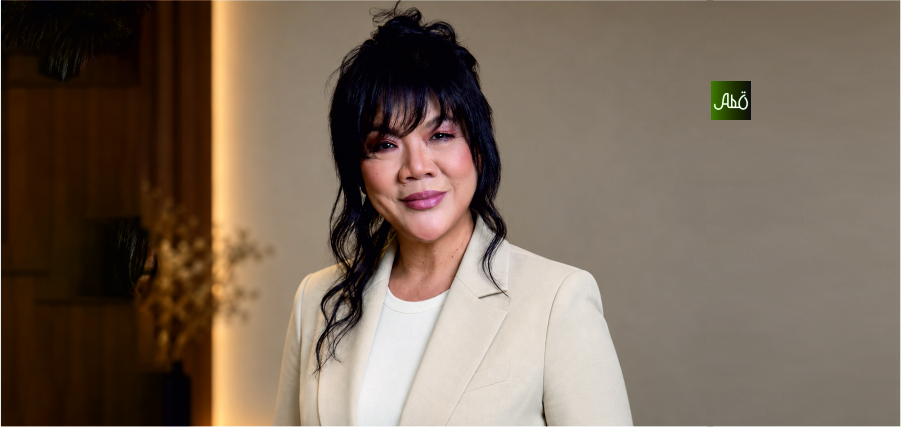
Medicine advances when knowledge meets curiosity, but some of its most consequential questions emerge when established answers no longer seem sufficient. For Huang Wei Ling, MD, a 34-year journey through conventional medicine, infectious diseases, Traditional Chinese Medicine, acupuncture, Chinese herbal therapy, Chinese dietary counseling, and homeopathy has been shaped by one persistent question: what happens when healthcare looks beyond the visible symptoms and investigates what she believes lies beneath them?
Her journey began with a conventional medical education at Londrina State University in southern Brazil, where she graduated 34 years ago and specialized in Infectious Diseases. Her early clinical practice followed the established Western medical model, emphasizing pathogen identification, acute symptom management, and the use of concentrated medications such as antibiotics, antipyretics, and anti-inflammatory drugs.
Her commitment was straightforward: protect human life and relieve suffering.
Yet clinical experience gradually introduced questions that conventional protocols did not always answer to her satisfaction. She encountered patients living with chronic and debilitating conditions who, despite following prescribed treatments, continued to struggle with persistent symptoms. In some cases, treatment for one problem appeared to be followed by additional complications. These experiences prompted her to reconsider whether medicine could better understand the patient as an integrated whole rather than as a collection of separate symptoms and organs.
That question became the beginning of a much broader intellectual journey.
From Conventional Medicine to an Integrative Framework
In 1996, following her mother’s encouragement, Dr. Huang began studying Traditional Chinese Medicine. She subsequently pursued postgraduate studies in acupuncture in São Paulo, traveling approximately 1,000 kilometers each month to continue her education. At the time, she was pregnant with her first child, who accompanied her throughout that demanding period and is now a 27-year-old medical doctor himself.
Her studies continued through Chinese herbal therapy and Chinese dietary counseling, disciplines that she says helped her understand health and disease through the energy framework of Traditional Chinese Medicine.
Her interest eventually expanded into homeopathy. In 2015, she began studying the field at the Lamasson Institute in Brazil. Rather than approaching homeopathic medicines primarily through memorization of their traditional indications, she sought to interpret them through the energy pathways described in TCM and their relationship with the Five Elements.
This approach became the foundation for what she calls Constitutional Homeopathy of the Five Elements Based on Traditional Chinese Medicine, also known as the Wu Wei Protocol.
Her objective was to create an approach that could connect different therapeutic traditions through a common framework. She describes the distinction using the metaphor of a tree. In her view, conventional Western medicine often addresses the visible leaves, represented by symptoms, while Traditional Chinese Medicine seeks to investigate the roots, represented by underlying energy patterns.
The philosophy ultimately led to the establishment of the Wu Wei Institute, which became the institutional platform through which she could develop, document, teach, and share her integrative approach.
Turning Questions into Research
The development of the Wu Wei Protocol was not simply a theoretical exercise. Dr. Huang’s research journey evolved through clinical observation, academic study, patient care, and scientific publishing.
While completing her homeopathy studies, she questioned whether selecting among thousands of traditional homeopathic medicines needed to depend so heavily on memorization and complex interpretation of symptom patterns. Drawing from her TCM background, she began working backward from physical manifestations toward what she considered their energy roots.
According to her account, this process enabled her to narrow the selection to approximately five to ten specific medicines in appropriate cases. That methodology became a central component of the Wu Wei Protocol.
Another important area of her work involved measuring what she describes as the energy condition of internal organs through radiesthesia. She reports that her observations changed significantly around 2014, when she began seeing what she characterized as a common pattern of energy deficiency among many patients.
These observations reinforced her interest in what she describes as internal organ energy depletion and eventually shaped the theoretical framework behind her subsequent research.
Her scientific publishing journey formally expanded in 2018. Since then, she reports having authored approximately 300 peer-reviewed scientific articles covering energy interpretations of disease and therapeutic approaches across multiple medical specialties. Her stated research interests include anxiety, chronic pain, autoimmune disorders, metabolic dysfunction, malignancies, and other complex conditions.
One study she highlights examined severe low back pain through auricular acupuncture. She describes substantial improvement among the patients involved, including individuals with severe herniated discs who had previously been scheduled for spinal surgery. She has also presented her work at international medical and acupuncture conferences, contributing to a broader dialogue around integrative approaches to healthcare.
The COVID-19 pandemic represented another major turning point. For Dr. Huang, it accelerated the need for international collaboration and knowledge-sharing while giving her an opportunity to apply her integrative ideas during a period of unprecedented healthcare pressure.
Investigating What She Describes as Energy Depletion
Today, Dr. Huang’s research centers on clinical energy levels, constitutional homeopathy, and what she describes as depletion of the internal organs’ energy. She connects her research interests to modern lifestyle pressures, including chronic emotional stress, dietary habits, electromagnetic exposure, and the extensive use of highly concentrated medications.
Her clinical observations, she says, led her to believe that many patients present with complex combinations of symptoms that do not fit neatly within individual medical specialties. Through TCM pulse diagnosis and her energetic assessments, she says she identified what she considers significant depletion involving the Five Elements’ internal organs: the Heart, Spleen, Lungs, Kidneys, and Liver.
This perspective has directed much of her research toward what she calls energy replenishment.
Within her framework, highly diluted medicines and acupuncture are used with the intention of restoring internal energy balance. The approach is therefore structured around identifying what she regards as an underlying energy pattern before selecting a therapeutic pathway.
Her position also reflects a broader criticism of what she sees as excessive fragmentation in healthcare.
Modern medicine’s specialization has produced extraordinary advances, but Dr. Huang argues that specialization can also divide the patient into separate clinical problems. A skin condition, digestive complaint, and emotional difficulty may be addressed by different specialists, she observes, even when she believes they may reflect interconnected underlying factors.
Her proposed option is an integrative model in which different professionals examine the same patient through interdependent perspectives.
Turning a Philosophy into a Clinical Model
The Wu Wei Protocol represents Dr. Huang’s attempt to translate that philosophy into a structured clinical methodology.
At the Wu Wei Institute, patient assessment begins with more than a conventional diagnosis. According to Dr. Huang, practitioners consider detailed clinical history, constitutional characteristics, and energy levels assessments to identify patterns of imbalance.
The treatment model then uses a targeted selection of approximately five to ten highly diluted homeopathic medicines, according to her methodology, alongside other elements such as acupuncture.
She has also sought to make the framework adaptable to the regulatory environment in which it is practiced. In Brazil, for example, she says she adapted the rationale derived from TCM to therapeutic substances already authorized and regulated locally rather than depending on restricted imported Chinese herbal medicines.
For Dr. Huang, research has meaning only when it can eventually reach clinical practice. Her approximately 300 publications form an important part of that effort, allowing her to document her ideas, clinical observations, and proposed methodology for examination by other professionals.
Its stated goal is not simply to develop a treatment system suited to the modern human profile—characterized by immunosuppression due to a lack of energy in the internal organs—but to create a framework that researchers and physicians can study, test, replicate, and potentially refine.
Leadership Built on Curiosity and Humility
As Managing Director of the Wu Wei Institute, Dr. Huang Wei Ling balances administration with patient care, scientific research, academic writing, publishing, and international collaboration. Rather than treating these responsibilities as competing demands, she sees them as interconnected. Clinical practice keeps her close to patients and provides observations that shape her research, while administration creates the environment needed for professional development and academic work.
Her routine moves between patient care, research, academic synthesis, publishing, and global collaboration. Since the pandemic, digital platforms have expanded these opportunities, allowing her to participate in international lectures, peer reviews, conferences, and professional exchanges without constant travel.
Her leadership is grounded in curiosity, resilience, and humility. She discourages limiting language such as “there is no way out” or “there is no solution,” encouraging her teams to explore alternative approaches, including deeper energy balance treatments rooted in Traditional Chinese Medicine (TCM). She believes that looking beyond conventional methods can open new possibilities for patient care and support a more comprehensive understanding of health. Equally important is intellectual humility. She believes no healthcare professional can know everything and encourages practitioners to question assumptions, acknowledge gaps in knowledge, and remain committed to continuous learning.
This philosophy supports interdisciplinary collaboration at the Wu Wei Institute, where conventional physicians, acupuncturists, homeopaths, and allied health professionals participate in case discussions and research circles. Digital networks extend these exchanges internationally, creating a continuous feedback loop between clinical experience, research, and professional learning.
Resilience Through Professional Resistance
Developing and presenting an integrative medical framework has not been without difficulty.
Dr. Huang describes the introduction of her theories and the Wu Wei Protocol to the wider medical community as one of the most challenging periods of her career. Her emphasis on internal organ energy and highly diluted therapeutic approaches encountered skepticism, academic resistance, and regulatory complexities.
Rather than allowing opposition to become the defining feature of her work, she says she responded by focusing on clinical documentation and scientific publishing.
That experience shaped her understanding of resilience. For her, persistence comes from connecting professional work to a larger purpose.
It also reinforced her view of scientific thinking. She believes disagreement should be addressed through evidence, observation, documentation, and continued investigation rather than ideological confrontation.
Her publishing record became one practical expression of that philosophy.
The same principle influences her approach to healthcare innovation. She describes innovation without discipline as reckless and discipline without innovation as stagnant. Regulatory compliance therefore remains important to her model, particularly when introducing therapies or adapting ideas across different healthcare systems.
She also emphasizes low-cost research models. Her background in infectious diseases and hospital infection control made her attentive to the direct and indirect costs associated with preventing disease and treating complications. She sees accessible approaches such as acupuncture and homeopathic therapies as areas where substantial clinical data can potentially be generated and studied.
A Cautious View of Artificial Intelligence in Medicine
Technology is transforming healthcare, but Dr. Huang approaches some developments with caution.
She recognizes the potential of precision medicine and advanced diagnostics to improve individualized care. However, she expresses reservations about using artificial intelligence to guide medication choices without considering the framework of energy changes that underpins her research.
Her concern, as she explains it, is that AI systems learn from existing scientific literature, and much of that literature does not incorporate the energy framework she uses in her own work. Consequently, she believes an AI system could reproduce conventional recommendations that do not align with her understanding of depleted internal organ energy’s patients.
For this reason, she does not currently support relying on AI-generated treatment recommendations in this context.
Her broader position is not that technology should be rejected. Instead, she argues that technology must remain subordinate to clinical judgment, ethics, privacy, and the doctor-patient relationship.
She invokes the principles traditionally associated with Hippocrates to emphasize that technology should remain a tool rather than replace human clinical inquiry and empathy. She believes patients must retain control and transparency over their health information, including genetic and, within her framework, energy alterations data.
Every algorithmic recommendation, in her view, should therefore remain subject to experienced human evaluation.
Exploring Underappreciated Areas of Medicine
One of the areas Dr. Huang believes deserves greater scientific investigation is ultra-high dilution substances and its relationship with bioenergy and internal organ replenishment in this New Global Immunodeficiency.
She argues that highly diluted remedies are often dismissed within mainstream research because conventional biochemical models typically associate therapeutic activity with measurable concentrations of chemical substances. All her study and research is based on the Arndt-Schultz law, formulated in 1888 by two German scientists. They stated at the time that the use of highly concentrated medications reduces our vital energy and can lead to complications or even the patient’s death. Conversely, the use of highly diluted medications increases our vital energy—an effect essential to our treatment nowadays—thereby preventing the development of complications or even patient death.She also advocates greater research into the integration of TCM energy frameworks with Western clinical research.
Her long-term vision is for researchers to develop more sophisticated ways to investigate concepts such as vital energy and determine which aspects of these frameworks can be objectively measured and evaluated.
The problem modern medicine faces today is that it classifies as scientific only what can be seen with the naked eye, while regarding anything invisible to the eye as unscientific. However, the gap between modern medicine and older medical systems is narrowing thanks to the work of Huang Wei Ling; she recognizes that Traditional Chinese Medicine (TCM) examines the energy imbalances that lead to the formation of a disease years in advance, whereas modern Western medicine focuses on the disease only after it has fully developed, without investigating its origins in terms of energy alterations.
Building a Global Future
Looking toward 2030, Dr. Huang has set an ambitious institutional objective: expanding the Wu Wei Institute’s reach so that its energy-replenishment approach becomes accessible to a significant portion of the global population.
She wants her research legacy to extend beyond individual publications. Her stated ambition is for her 300-plus articles and the Wu Wei Protocol, designed to create a conceptual bridge between Western internal medicine and the Eastern medical traditions that shaped her later work.
She also calls for changes in medical education.
In her vision, future physicians should learn to understand patients as integrated human beings rather than simply as collections of organs, symptoms, or diagnoses. She advocates incorporating integrative frameworks, constitutional medicine, bioenergy, and root-cause prevention alongside conventional pathology.
She also believes research funding should become more accessible to approaches that do not necessarily depend on expensive, patent-driven therapeutic models. She advocates independent international research funding for areas such as medical acupuncture and highly diluted constitutional medicines.
At the institutional level, her work has continued to expand internationally. She reports speaking at more than 500 conferences and receiving recognitions across several countries. Her questionnaire also records multiple international awards and media recognitions during 2025 and 2026, including honors associated with healthcare leadership, medical innovation, acupuncture and homeopathy, and integrative healthcare.
She is also finalizing a master’s degree in Natural Medicine at the Ibero-American University Foundation in Spain in 2026.
A Legacy Measured Beyond Recognition
For young medical researchers, Dr. Huang Wei Ling’s message is grounded in intellectual openness. She encourages emerging professionals to avoid treating medical education as an intellectual boundary and instead question assumptions when clinical outcomes do not align with expectations. Drawing on Albert Einstein’s observation that problems cannot be solved through the same thinking that created them, alongside the Hippocratic principle that one lifetime is not enough to learn everything, she advocates curiosity guided by discipline.
When a treatment does not produce the expected result, Dr. Huang encourages researchers to investigate rather than simply accept failure. At the same time, she emphasizes responsible communication, rigorous methods, humility, and an unwavering commitment to patients.
Her desired legacy reflects the same spirit of courage and integration. She hopes the Wu Wei Protocol and her energy-replenishment framework will continue evolving beyond her lifetime and, if supported by further research, contribute to broader healthcare systems. She also hopes her journey encourages future healthcare professionals, particularly women, to pursue continuous learning with resilience and humility.
Ultimately, her career reflects a determination to explore connections between conventional and traditional medicine, clinical practice and research, and established assumptions and unanswered questions. For Dr. Huang, asking whether healthcare can look deeper has become a lifelong pursuit shaped by curiosity, faith, scientific inquiry, and compassion.