
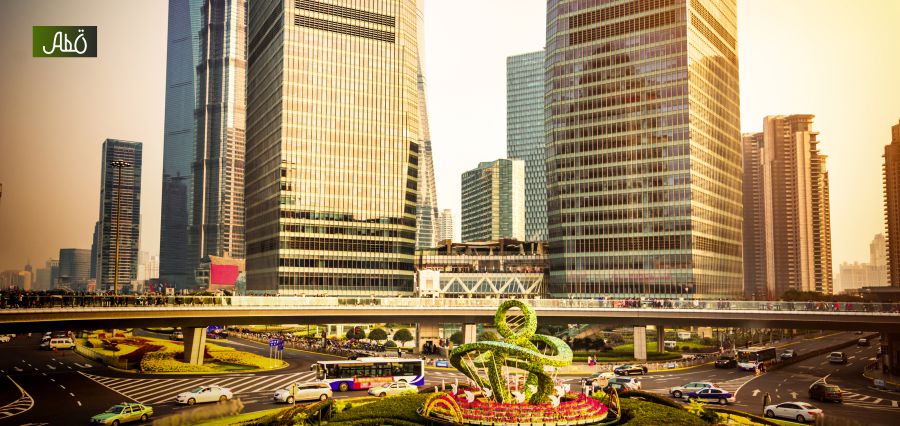
Saudi Arabia is undergoing one of the largest economic transformations in modern history. Through Vision 2030, the Kingdom aims to reduce its dependence on oil revenues while building a diversified economy powered by innovation, private sector growth, and international investment. As government reforms continue to reshape the business environment, Saudi Vision 2030 Opportunities are attracting attention from investors, entrepreneurs, and multinational corporations across the globe.
The strategy is entering a new phase that prioritizes sustainable growth sectors such as technology, artificial intelligence, healthcare, logistics, tourism, manufacturing, and renewable energy. This evolution creates substantial opportunities for businesses that can align their products and services with national priorities.
Digital Transformation and Artificial Intelligence
Technology sits at the center of Saudi Arabia’s economic diversification plans. The government is investing heavily in artificial intelligence, cloud computing, cybersecurity, automation, and smart city infrastructure to position the Kingdom as a regional digital hub.
Businesses involved in enterprise software, AI solutions, machine learning, cybersecurity, digital identity, and cloud services are likely to benefit from increasing public and private sector demand. Saudi Arabia is also investing in AI education and workforce development to build long-term capabilities in advanced technologies.
Among the most promising Saudi Vision 2030 Opportunities are AI-powered healthcare systems, government digitalization projects, financial technology platforms, and smart manufacturing solutions that support industrial modernization.
Religious Tourism and Hospitality
Saudi Arabia hosts millions of pilgrims annually for Hajj and Umrah, making religious tourism one of the country’s strongest growth sectors. The Kingdom continues to invest in infrastructure, transportation, accommodation, and digital services to improve the pilgrim experience.
Platforms such as Nusuk have streamlined travel planning, visa applications, accommodation booking, and pilgrimage management for visitors from around the world. This creates opportunities for travel technology providers, hospitality companies, transport operators, and digital service providers.
The government also aims to expand leisure tourism by developing entertainment destinations, heritage sites, and cultural attractions that complement religious tourism growth. Tourism remains one of the largest contributors to non-oil economic expansion under Vision 2030.
Renewable Energy and Green Hydrogen
Saudi Arabia is pursuing ambitious environmental targets that include increasing renewable energy production and reducing carbon emissions. Large-scale investments in solar energy, wind projects, and green hydrogen production are creating opportunities for energy developers, equipment suppliers, and engineering firms.
The Kingdom aims to become a global leader in green hydrogen exports while significantly increasing the share of renewables in its national energy mix. Companies specializing in battery storage, energy efficiency technologies, and grid modernization are expected to benefit from this transition.
As sustainability becomes a central policy objective, Saudi Vision 2030 Opportunities in clean energy continue to expand rapidly.
Healthcare Modernization
Healthcare reform is another major pillar of Vision 2030. The Kingdom is expanding health insurance coverage, investing in medical cities, and accelerating digital healthcare initiatives to improve service quality and accessibility.
Opportunities exist in telemedicine, health technology platforms, hospital management systems, biotechnology, medical devices, and pharmaceutical manufacturing. Digital biomedical research and AI-assisted diagnostics are also receiving increased attention from policymakers and investors.
Private healthcare providers and international medical companies are increasingly exploring partnerships within Saudi Arabia as demand for advanced healthcare services continues to rise.
Manufacturing and Localization
Localization policies remain a key component of Saudi Arabia’s economic strategy. Government initiatives encourage domestic manufacturing, technology transfer, and local sourcing to reduce dependence on imports and strengthen supply chain resilience.
Programs such as In-Kingdom Total Value Add (iktva) have already generated substantial economic impact by encouraging international firms to establish local operations and manufacturing facilities within the Kingdom.
Many Saudi Vision 2030 Opportunities are emerging in industrial automation, advanced manufacturing, aerospace, pharmaceuticals, food production, and construction materials.
Logistics and Supply Chain Development
Saudi Arabia’s geographic location between Asia, Europe, and Africa positions it as a natural logistics hub. Significant investments are being made in ports, airports, rail networks, industrial zones, and smart logistics infrastructure.
Businesses operating in warehousing, transportation technology, supply chain management, and trade facilitation can benefit from the Kingdom’s ambition to become a leading global logistics center. Digital logistics solutions and AI-powered supply chain systems are expected to see particularly strong demand.
Foreign Direct Investment Advantages
Saudi Arabia has introduced substantial reforms to attract international businesses and investors. Incentives include simplified licensing procedures, flexible ownership structures, special economic zones, and improved regulatory transparency.
Many sectors now permit full foreign ownership, making market entry easier for international companies seeking regional expansion opportunities. Foreign direct investment remains one of the government’s highest priorities as it works toward long-term diversification goals.
Procurement and Public-Private Partnerships
Government procurement processes have undergone major modernization efforts. Public entities and organizations connected to the Public Investment Fund increasingly rely on digital procurement systems designed to improve transparency and efficiency.
Public-private partnerships are becoming more common across healthcare, infrastructure, education, transportation, and technology sectors. These partnerships provide private companies with access to large-scale projects and long-term contracts while supporting national development goals.
Looking Ahead
The next phase of Vision 2030 focuses less on iconic construction projects and more on sectors capable of generating sustainable economic value, employment, and innovation. Areas such as AI, logistics, mining, tourism, advanced manufacturing, and renewable energy are expected to receive continued policy support and investment attention.
Ultimately, Saudi Vision 2030 Opportunities extend far beyond traditional industries. Organizations that align with the Kingdom’s priorities in technology, sustainability, localization, and digital transformation are likely to find significant growth potential in one of the world’s fastest-evolving economies.