Some leaders join industries after they mature. Others help shape them while they are still finding their direction.
When Saudi Arabia’s digital economy was taking its first major steps forward, online transactions were still unfamiliar to many businesses and consumers. Companies were cautiously exploring e-commerce opportunities, payment infrastructure was evolving, and trust in digital transactions had yet to become part of everyday life.
Building a digital payments ecosystem required more than technology. It required infrastructure, collaboration, regulation, and leaders willing to invest in long-term foundations rather than short-term momentum.
For Huda Albenmousa, that journey became more than a career. It became an opportunity to contribute to one of the Kingdom’s most significant economic transformations.
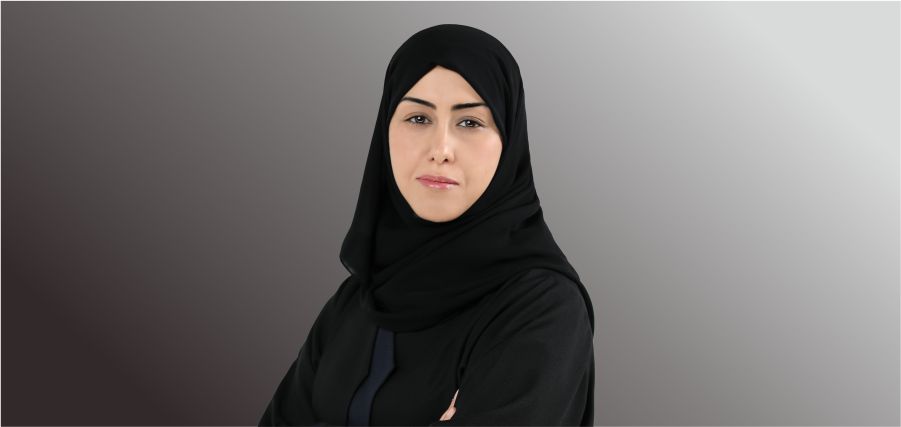
Today, as Country President of PayTabs Saudi Arabia, she leads one of the organizations helping businesses participate in the country’s rapidly expanding digital economy. Her professional journey has unfolded alongside the rise of Saudi fintech, giving her a unique perspective on the opportunities and responsibilities while building financial infrastructure for the future.
For Huda, leadership has never been about visibility or titles.
It has always been about contribution.
Entering Fintech at a Defining Moment
Huda entered the fintech and e-commerce sector when digital payments had yet to become part of everyday business operations in Saudi Arabia. Businesses were only beginning to explore online commerce opportunities, while payment ecosystems and regulatory structures were still evolving to support the changing needs of the market.
Her early responsibilities placed her close to the operational realities of business. She worked directly with merchants, addressed implementation challenges, supported business initiatives, navigated compliance requirements, and helped organizations adopt digital payment solutions.
Those experiences shaped her understanding of leadership long before she formally entered executive management. She learned that technology alone cannot transform industries. Businesses adopt change when they understand it, trust it, and believe it can support their long-term ambitions.
As her responsibilities expanded, so did her understanding of the broader financial ecosystem. Working closely with banks, regulators, financial institutions, and national stakeholders exposed her to the partnerships and systems that sit behind every successful transaction. Over time, her focus shifted from solving immediate operational challenges to building long-term frameworks that can support future growth.
The Making of a Country President
For nearly a decade, Huda carried responsibility for business execution, performance, and organizational outcomes before officially becoming Country President. Those years changed her understanding of leadership.
Leadership, in her view, is not created by hierarchy. It is built through accountability, consistency, and the willingness to make difficult decisions when they matter most. The transition into country leadership brought a different perspective.
Success was no longer measured solely by commercial performance or quarterly objectives. Every decision affected employees, merchants, banking partners, regulators, and the long-term reputation of the organization.
Leadership became less about directing activities and more about stewardship. One of the most important lessons she learned was that some of the most significant leadership decisions are often the least visible.
There are moments when organizations face pressure to move faster, launch sooner, or pursue opportunities before systems are fully prepared to support them. In those moments, choosing patience over speed can be far more difficult than choosing growth.
For Huda, protecting credibility and long-term trust has consistently taken priority over short-term gains. In financial services, reputation is not simply an asset. It is the foundation upon which everything else is built.
Building PayTabs for a Digital Economy
As Saudi Arabia accelerated its digital transformation ambitions, businesses across the Kingdom began adopting digital commerce at unprecedented speed. Consumers embraced online payments, businesses expanded across multiple channels, and expectations around speed, security, and convenience increased rapidly.
The market opportunity was enormous. So was the responsibility that came with supporting it. Under Huda’s leadership, PayTabs Saudi Arabia focused on helping businesses navigate this transition by providing payment solutions that support growth without increasing operational complexity.
As organizations expanded across payment methods, customer segments, and sales channels, managing multiple payment providers and systems became increasingly challenging. The company’s response was not to add complexity but to remove it.
By investing in payment orchestration capabilities and integrated payment solutions, PayTabs sought to simplify the payment experience for businesses while improving flexibility, visibility, and operational resilience.
For Huda, however, technology was never the ultimate objective.
The goal was always to help businesses focus on serving customers and growing their operations while the payment infrastructure supporting those transactions remained secure, intelligent, and reliable in the background. That philosophy continues to shape the company’s direction as Saudi Arabia’s digital economy enters its next phase of growth.
Turning Market Complexity into Opportunity
Building digital payment solutions during the early stages of market development presented unique challenges.
Regulatory frameworks designed specifically for fintech were still evolving. Consumer adoption remained lower than in more mature markets, while much of the existing financial infrastructure had originally been designed for traditional banking models rather than digital commerce.
Progress required patience. It also required collaboration.
Rather than viewing regulation as an obstacle, Huda and her team worked closely with regulators, financial institutions, and ecosystem partners to ensure that innovation developed alongside stability and trust. Education became just as important as technology.
Businesses needed support in understanding digital payments, consumers needed confidence in online transactions, and the wider ecosystem needed time to mature. The experience reinforced one belief that continues to guide her leadership today: Sustainable growth is rarely built through disruption alone. It is built through trust, readiness, and execution.
Why Trust Enables Innovation
One of the assumptions Huda challenges most frequently is the belief that regulation slows innovation. Her experience has led her to the opposite conclusion.
In highly regulated industries, regulation provides the confidence that allows innovation to scale responsibly.
Financial services depend on trust. Customers expect security. Businesses expect reliability. Institutions expect accountability. Meeting those expectations does not limit innovation. It enables it.
This perspective has influenced PayTabs’ approach to product development, partnerships, and long-term strategy within Saudi Arabia’s financial ecosystem. The strongest fintech organizations, Huda believes, will not necessarily be those that build the fastest. They will be the organizations that build systems others trust enough to depend on.
Building Teams for Long-Term Success
The same long-term thinking influences Huda’s approach to leadership and talent development. Technical expertise remains important, but it is not the quality she values most when building teams.
Judgment, integrity, curiosity, and resilience often prove far more important over time. Fintech professionals operate in environments where change is constant and complete information rarely exists. The ability to make sound decisions while understanding their wider implications becomes essential. Ownership and accountability therefore sit at the center of her leadership expectations.
Equally important is collaboration. Fintech exists at the intersection of technology, operations, compliance, customer experience, and business strategy. Success depends on teams capable of thinking across functions rather than within organizational silos.
Under her leadership, PayTabs has also invested in creating opportunities for young professionals entering the industry. Graduates have been given opportunities to learn, contribute, and develop their careers, with many progressing into leadership positions both within the organization and across the wider fintech ecosystem.
For Huda, building future leaders carries the same importance as building future technologies.
Leadership Defined by Performance
Conversations surrounding women in leadership often focus on limitations and barriers. Huda’s experience offers a different perspective. While assumptions about leadership styles and decision-making have existed historically, she views qualities such as empathy, emotional intelligence, and intuition as valuable strengths when combined with discipline, accountability, and sound judgment.
Across Saudi Arabia, women continue to assume increasingly influential positions across both public and private sectors, contributing to strategic decisions in industries central to the country’s future. Within her own career, she describes an environment defined by opportunity, trust, and performance rather than limitation.
For her, leadership has never been about proving that women belong in executive roles. It has been about delivering results, creating value, and contributing to institutions larger than any individual.
Looking Toward the Future
Saudi Arabia’s digital transformation continues to create opportunities that would have seemed ambitious only a decade ago. New technologies, changing customer expectations, and ambitious national initiatives are reshaping the way businesses operate and consumers interact with financial services.
For Huda, the future of fintech will be defined by intelligent infrastructure, stronger collaboration, and solutions that simplify experiences for businesses and consumers alike.
Her ambition for PayTabs is clear. She wants the company to continue serving as a trusted enabler of the Kingdom’s digital economy, helping businesses participate in growth while strengthening the financial systems that support them. The most important contributions, she believes, are often the ones that happen quietly behind the scenes.
A Legacy Built on Contribution
When discussing success, Huda rarely speaks about visibility or recognition. She speaks about impact. Her ambition is to contribute to stronger institutions, stronger teams, and stronger future leaders who will continue shaping Saudi Arabia’s financial sector for decades to come.
As a woman in leadership, she has never sought to be viewed as an exception. Instead, she hopes her journey contributes to a future where leadership opportunities are determined by capability, responsibility, and performance.
Some leaders build companies. Others help build industries.
As Saudi Arabia moves further into its digital future, Huda Albenmousa’s contribution may ultimately be measured not only by transactions processed or technologies deployed, but by the trust, partnerships, and foundations that helped make that future possible.
Because in financial services, the innovations that matter most are rarely the loudest.
They are the systems people depend on, the institutions that endure, and the trust that continues to grow long after the transaction is complete.