
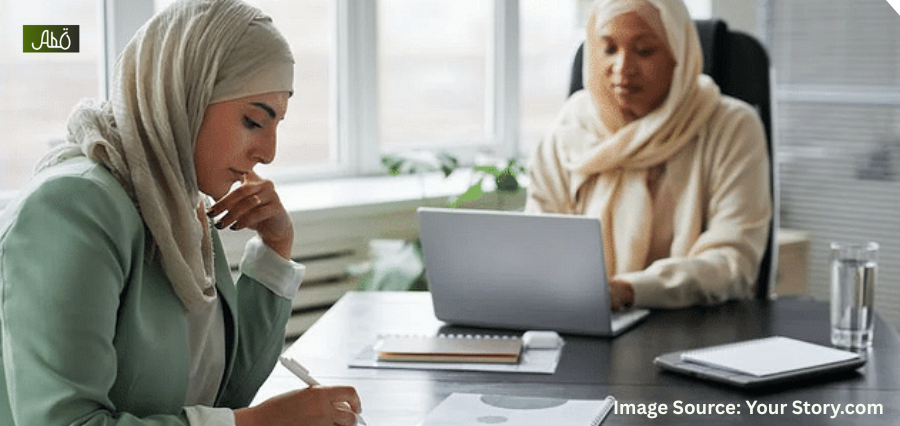
Across the Middle East, a new generation of business leaders is reshaping the region’s entrepreneurial landscape. Women are moving beyond traditional business roles to establish companies, introduce innovative products, attract investment, and create opportunities across emerging industries. From technology startups and financial services to healthcare, education, e-commerce, and consumer brands, women entrepreneurs in the Middle East are becoming an increasingly important part of the region’s economic transformation.
This shift is about more than the growing number of women starting businesses. It reflects a wider change in how economies develop, how companies approach innovation, and how future business opportunities are created. Governments across the region are encouraging private-sector participation, investing in digital infrastructure, and introducing policies designed to support entrepreneurship and economic diversification.
For women founders, these developments are creating new possibilities. However, building a successful business still requires access to finance, experienced mentors, professional networks, and supportive business environments. While progress is becoming increasingly visible, the next stage will depend on turning entrepreneurial potential into sustainable companies that can compete locally and internationally.
Women Entrepreneurs in the Middle East Are Expanding Across New Industries
The entrepreneurial landscape across the Middle East is becoming more diverse. Women founders are establishing businesses in sectors that closely align with the region’s changing economic priorities, including artificial intelligence, fintech, healthcare, education, retail, tourism, sustainability, and professional services.
Technology has played a particularly important role in opening new opportunities. Digital platforms allow entrepreneurs to introduce products, connect with customers, and operate businesses without depending entirely on traditional physical infrastructure. An entrepreneur launching an online retail brand, for example, can reach customers across different cities and potentially international markets through e-commerce platforms and digital marketing.
The growth of financial technology is creating another promising area. Digital payment solutions, financial management platforms, and technology-enabled banking services are addressing changing consumer and business needs. Women founders are also exploring opportunities in educational technology, online healthcare services, and digital professional services.
This expansion reflects an important development: entrepreneurship is no longer limited to a small number of established industries. New technologies and changing consumer expectations are creating opportunities for businesses built around specialised knowledge, customer experience, and innovative solutions.
For women entrepreneurs, these developments offer the possibility of entering competitive markets, building distinctive brands, and creating businesses with regional growth potential.
Saudi Arabia and the UAE Are Strengthening the Entrepreneurial Ecosystem
Saudi Arabia and the United Arab Emirates have emerged as important centres for entrepreneurship and startup development in the Middle East. Both countries are investing in economic diversification, innovation, digital transformation, and private-sector growth, creating an environment in which new businesses can develop.
In Saudi Arabia, Vision 2030 has brought increased attention to entrepreneurship, private-sector participation, employment opportunities, and women’s economic empowerment. Reforms and business-development initiatives are helping create additional opportunities for women to participate in commercial activities, establish companies, and pursue leadership positions.
The country’s expanding technology and investment ecosystem is also creating opportunities across fintech, healthcare, tourism, retail, logistics, and digital services. As new industries develop, entrepreneurs have more opportunities to introduce products and services that respond to changing market requirements.
The UAE has developed a similarly dynamic business environment. Dubai and Abu Dhabi offer access to international investors, financial institutions, startup accelerators, innovation centres, and global commercial networks. These connections are particularly valuable for entrepreneurs looking to build businesses that serve customers beyond their domestic markets.
Business-friendly regulations, digital infrastructure, and international connectivity have also strengthened the UAE’s position as a destination for startup development.
Together, these markets demonstrate how government initiatives, private investment, and stronger entrepreneurial networks can support women’s participation in business. The challenge now is to ensure that these opportunities translate into long-term business growth, stronger leadership representation, and greater access to investment.
Access to Finance Remains a Critical Challenge
Despite the progress, access to capital remains one of the most important challenges facing women entrepreneurs in the Middle East.
Starting a business requires more than a promising idea. Founders need working capital, financial services, investment, experienced advisers, and the resources to manage operations while developing their products and customer base.
For many women-led businesses, securing funding can be difficult, particularly during the early stages of development. Traditional lending requirements, limited collateral, smaller professional networks, and gaps in access to investment opportunities can make it harder to obtain the financial support needed to scale.
This challenge becomes more significant when businesses move beyond the startup stage. A company may establish a successful customer base but still require substantial investment to expand into new markets, hire employees, improve technology, or increase production capacity.
A stronger financing environment requires participation from multiple stakeholders. Banks can develop financing solutions that better reflect the needs of smaller businesses. Venture capital firms and angel investors can broaden their investment networks and evaluate opportunities based on commercial potential. Government-backed financing programmes can also help promising businesses overcome early-stage funding barriers.
Equally important is financial education. Entrepreneurs need access to guidance on business valuation, investment negotiations, cash-flow management, and financial planning. These capabilities help founders make informed decisions and build companies that can attract long-term investment.
Improving access to finance is therefore not simply about providing more funding. It is about creating a financial ecosystem in which capable entrepreneurs have a fair opportunity to establish, develop, and scale their businesses.
Technology Is Creating New Opportunities for Women-Led Businesses
Digital transformation is changing the way companies operate across the Middle East, and women entrepreneurs are well positioned to participate in this transition.
Artificial intelligence, cloud computing, automation, and digital commerce are reducing some of the traditional barriers associated with starting and managing a business. Entrepreneurs can use technology to analyse customer behaviour, improve marketing strategies, manage inventory, automate routine processes, and deliver services more efficiently.
For small businesses, these tools can make a considerable difference. A founder managing an online retail company can use digital analytics to understand purchasing patterns and improve product recommendations. A healthcare entrepreneur can explore technology-enabled services that make specialist support more accessible. An education startup can develop online learning platforms that reach students across different geographical markets.
Fintech is another area with considerable potential. As digital payments and financial services become more widely adopted, businesses can offer faster transactions, improved financial management, and more convenient customer experiences.
However, technology adoption also requires investment in skills and infrastructure. Entrepreneurs need to understand how to use digital tools responsibly, protect customer information, and maintain cybersecurity standards.
The growing importance of artificial intelligence also makes continuous learning essential. Founders who understand emerging technologies and identify practical applications for their businesses may be better positioned to respond to competition and changing market expectations.
Mentorship and Professional Networks Can Accelerate Business Growth
Access to knowledge and professional relationships can be just as important as access to capital. For entrepreneurs entering competitive industries, experienced mentors and strong business networks can provide valuable guidance.
Building a company involves decisions that are not always easy to make independently. Founders must understand market demand, identify reliable suppliers, manage employees, negotiate partnerships, and develop strategies for expansion. Experienced business leaders can help entrepreneurs navigate these challenges while avoiding common mistakes.
Across the Middle East, startup incubators, accelerators, business associations, entrepreneurship programmes, and industry events are creating additional opportunities for founders to connect with investors and experienced professionals.
These platforms can help women entrepreneurs develop practical business skills, understand investment requirements, and establish relationships with potential partners.
Professional networks also create opportunities for collaboration. A technology founder may find a commercial partner through an industry event, while a consumer brand entrepreneur may connect with distributors who can support regional expansion.
For women-led businesses, stronger representation within investor networks and leadership communities can help improve visibility and create more opportunities for collaboration.
Mentorship should not be viewed as a one-time activity. Long-term relationships, access to industry expertise, and continuous professional development can play an important role in building sustainable businesses.
Women Entrepreneurs Are Contributing to Economic Diversification
The growth of women-led businesses has implications that extend beyond individual companies. Entrepreneurship contributes to economic diversification by introducing new products, supporting emerging industries, attracting investment, and creating employment opportunities.
This is particularly relevant across the Gulf Cooperation Council (GCC), where governments are working to strengthen non-oil economic activity and develop more diversified sources of growth.
Women entrepreneurs are participating in this transformation through businesses operating in technology, tourism, healthcare, education, retail, sustainability, and professional services. Their companies can introduce new commercial models, serve previously underserved customer segments, and encourage greater competition within established industries.
The economic benefits can also extend to local communities. As businesses expand, they create employment opportunities, develop supplier relationships, and contribute to wider commercial activity.
The World Bank has highlighted the economic importance of improving women’s participation in the labour market and private sector across the Middle East and North Africa. Its research has indicated that closing the gender employment gap could increase income per capita by around 50% in a typical MENA economy.
Although this figure relates to broader women’s economic participation rather than entrepreneurship alone, it illustrates the scale of the region’s untapped economic potential.
Supporting women entrepreneurs is therefore not only a matter of inclusion. It is also an opportunity to strengthen productivity, encourage innovation, and develop more resilient economies.
The Importance of Building Sustainable and Scalable Businesses
As the number of women-led startups grows, attention is increasingly shifting towards the quality and sustainability of business development.
Launching a company is an important first step, but long-term success depends on the ability to build a reliable business model. Entrepreneurs must understand their target customers, maintain financial discipline, develop competitive products, and respond to changing market conditions.
One common challenge for emerging businesses is expanding too quickly without establishing strong operational foundations. Rapid growth can create pressure on cash flow, employee management, customer service, and supply chains.
Women founders, like all entrepreneurs, need to balance ambition with careful planning. This includes setting realistic growth targets, investing in capable teams, maintaining clear financial records, and developing strategies that can support expansion over time.
Regional growth also requires an understanding of differences between markets. Consumer preferences, regulations, business practices, and distribution networks can vary considerably across the Middle East. A business that performs well in one country may need to adapt its products or operating model before entering another.
Companies that combine innovation with sound management practices are more likely to establish lasting commercial value.
What the Future Holds for Women Entrepreneurs in the Middle East
The outlook for women entrepreneurs in the Middle East is closely connected to the region’s wider economic transformation. Continued investment in digital infrastructure, private-sector development, financial services, and innovation is expected to create new business opportunities across multiple industries.
Saudi Arabia and the UAE are likely to remain important markets for startup development, while other regional economies can also contribute to the expansion of women-led businesses through improved business environments and stronger investment ecosystems.
Several areas offer particularly promising opportunities. Artificial intelligence and fintech are creating demand for new technology solutions. Healthcare and education are evolving through digital delivery models. Sustainable businesses are gaining relevance as governments and companies place greater emphasis on environmental responsibility. E-commerce and consumer services continue to respond to changing lifestyles and purchasing behaviour.
However, the next stage of progress will require more than favourable economic conditions. Women entrepreneurs need consistent access to investment, business education, mentorship, professional networks, and markets where their companies can compete on equal terms.
There is also an opportunity for established businesses to play a greater role by partnering with women-led startups, supporting supplier diversity, and creating pathways for emerging founders to participate in larger commercial projects.
The region’s entrepreneurial future will depend partly on how effectively these opportunities are developed and sustained.
Conclusion: A New Generation Is Shaping the Middle East’s Business Future
The rise of women entrepreneurs in the Middle East represents an important development in the region’s business and economic landscape. Women founders are introducing new ideas, building companies across emerging industries, creating employment opportunities, and contributing to a more diversified private sector.
From the expanding startup ecosystems of Saudi Arabia and the UAE to the growing opportunities in digital commerce, financial technology, healthcare, and education, the environment for entrepreneurship is continuing to evolve.
Challenges around access to finance, mentorship, market expansion, and business sustainability remain. Addressing these barriers will require continued collaboration between governments, financial institutions, investors, established companies, and entrepreneurial communities.
Ultimately, the success of women-led businesses should be measured not only by the number of companies launched but also by their ability to grow, create lasting value, employ people, and compete in international markets.
As the Middle East moves towards its next phase of economic development, women entrepreneurs will have an increasingly important role in shaping what comes next. Their businesses are not simply participating in the region’s transformation; they are helping build its next generation of industries, opportunities, and economic growth.
Read More :- UAE Global Business Hub: What Is Driving the UAE’s Next Phase of Growth?