
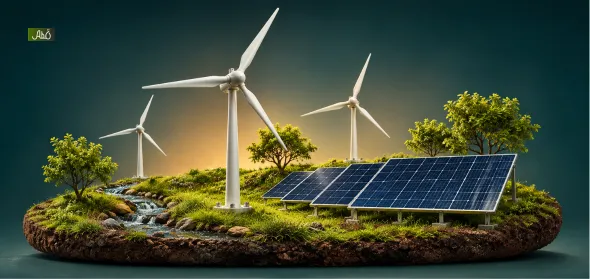
The global energy landscape is undergoing a significant transformation as countries, businesses, and communities seek more reliable and environmentally responsible ways to meet growing electricity demands. Renewable Energy has emerged as a central part of this transition, offering alternatives to conventional fossil fuels while creating new opportunities for economic development, technological innovation, and energy security. With rising energy consumption, changing climate conditions, and increasing investments in clean technologies, the shift towards renewable sources is becoming an important priority for governments and industries worldwide.
For decades, economic expansion has relied heavily on coal, oil, and natural gas. Although these resources have supported industrial development and modern infrastructure, their environmental consequences and dependence on finite reserves have encouraged a reassessment of traditional energy systems. Renewable sources such as solar, wind, hydropower, geothermal, and biomass provide an opportunity to diversify electricity generation and reduce dependence on conventional fuels. As technologies improve and infrastructure expands, these alternatives are becoming increasingly relevant to long-term energy planning.
Renewable Energy Is Reshaping the Global Power Industry
The growing adoption of clean energy technologies reflects a broader change in how electricity is produced, distributed, and consumed. Solar and wind power have attracted substantial investment because of their expanding commercial viability and ability to support large-scale electricity generation. Countries with favourable natural conditions are developing utility-scale projects, while businesses and households are increasingly installing smaller systems to meet their individual energy requirements.
Solar power has become particularly important because photovoltaic technology allows sunlight to be converted directly into electricity. Improvements in panel efficiency, manufacturing processes, and installation techniques have helped make solar systems more accessible across different markets. From residential rooftops to large industrial facilities, solar installations are providing additional electricity generation capacity while reducing exposure to fluctuations in conventional energy prices.
Wind power is also contributing to the changing energy landscape. Onshore wind farms have established themselves as important electricity sources in several regions, while offshore projects are opening new opportunities in coastal markets. Modern turbines are becoming more efficient, allowing developers to generate greater amounts of electricity from available wind resources. These developments are strengthening the position of Renewable Energy within national electricity strategies.
Hydropower continues to play an important role in electricity generation, particularly in countries with suitable river systems and water resources. Unlike some other renewable technologies, hydropower facilities can provide flexible electricity generation and support grid stability. Geothermal energy, meanwhile, uses heat from beneath the Earth’s surface to generate electricity or provide heating, offering another option for regions with appropriate geological conditions.
Economic Opportunities Beyond Electricity Generation
The expansion of clean power infrastructure is creating opportunities across several industries. Manufacturing companies are developing solar panels, wind turbines, batteries, inverters, and other essential equipment. Construction and engineering businesses are securing contracts for project development, installation, maintenance, and grid connections. Financial institutions are also participating through infrastructure financing, green investment instruments, and long-term project funding.
Employment creation is another important consideration. Renewable power projects require engineers, technicians, construction workers, project managers, researchers, and maintenance professionals. As the industry expands, demand for specialised technical skills is increasing. Educational institutions and training organisations therefore have an important role in preparing the workforce for emerging opportunities in energy engineering, electrical systems, storage technologies, and environmental management.
For developing economies, these investments can support industrial diversification and attract international capital. Countries with strong solar and wind potential can develop domestic energy industries while reducing their exposure to imported fuel markets. In addition, the development of local manufacturing capabilities can strengthen supply chains, encourage technology transfer, and create opportunities for smaller businesses.
Businesses are also recognising the commercial importance of adopting cleaner electricity sources. Large manufacturers, technology companies, commercial property operators, and logistics providers are exploring renewable electricity agreements to manage operating costs and support their environmental commitments. For energy-intensive industries, access to predictable and competitively priced electricity can influence long-term investment decisions.
Technology and Energy Storage Are Accelerating Progress
One of the most important developments supporting the energy transition is the advancement of energy storage. Solar and wind generation depend on weather conditions and natural availability, which can create differences between electricity production and demand. Battery storage systems help address this challenge by storing excess electricity and releasing it when generation decreases or consumption increases.
Lithium-ion batteries currently play a major role in stationary energy storage and electric mobility. However, researchers and manufacturers are also exploring alternative battery chemistries, improved recycling methods, and technologies designed to increase storage capacity while reducing costs. These developments could strengthen the reliability of electricity systems with higher shares of renewable generation.
Digital technology is also changing how energy infrastructure operates. Artificial intelligence, smart meters, automated controls, and advanced forecasting systems can help utilities predict electricity demand, monitor equipment performance, and manage distribution networks more efficiently. Smart grids allow electricity providers to coordinate different generation sources and respond more effectively to changing consumption patterns.
The combination of digital infrastructure and Renewable Energy can create more flexible electricity networks. By connecting distributed solar installations, battery systems, electric vehicles, and conventional power facilities, utilities can develop integrated systems that respond to real-time requirements. This approach is particularly important as urban populations grow and electricity demand increases across commercial and industrial sectors.
Challenges That Require Strategic Planning
Despite its potential, the transition towards cleaner power is not without challenges. Infrastructure development requires substantial capital, technical expertise, regulatory support, and long-term planning. Large-scale projects may also face land acquisition difficulties, environmental assessments, transmission limitations, and lengthy approval procedures.
Grid connectivity remains a significant concern in several markets. Renewable generation facilities are not always located close to major consumption centres, making transmission infrastructure essential. Without sufficient grid capacity, electricity generated by solar and wind projects may not reach consumers efficiently. Governments and utilities must therefore coordinate generation investments with transmission expansion and modernisation.
Supply chain dependence presents another challenge. Solar panels, battery components, rare earth materials, and specialised equipment are produced across interconnected international markets. Disruptions in manufacturing or transportation can influence project costs and delivery schedules. Developing diversified supply chains and strengthening domestic production capabilities can help reduce these vulnerabilities.
There is also a need to address the environmental impact of manufacturing and disposing of renewable technologies. Solar panels, batteries, and turbine components require responsible recycling and end-of-life management. Establishing effective collection systems, recovery facilities, and circular manufacturing practices will be important to ensuring that the benefits of clean electricity are supported by responsible resource management.
Government Policies and Corporate Investment Will Shape the Future
Government policy remains a major factor in determining the pace of energy transformation. Clear regulations, competitive procurement processes, tax incentives, infrastructure investments, and stable electricity market frameworks can encourage private-sector participation. Long-term policy consistency is particularly important because large energy projects often require several years of planning, financing, and construction before becoming operational.
International cooperation is equally important. Countries can accelerate technological development through research partnerships, equipment manufacturing agreements, knowledge exchange, and cross-border electricity infrastructure. Emerging markets can benefit from international financing and technical expertise while developing energy systems suited to their domestic requirements.
India, for example, has been expanding its renewable power capacity through solar parks, wind installations, rooftop programmes, and green energy transmission initiatives. Similar efforts across the Middle East are creating opportunities for large-scale solar development, supported by favourable climatic conditions and growing investment in energy diversification. These regional developments demonstrate how Renewable Energy can contribute to economic competitiveness while supporting changing electricity requirements.
Corporate investment is also expected to remain important. Businesses are increasingly considering energy efficiency, renewable electricity procurement, and storage solutions as part of their operational strategies. Companies that invest in modern energy infrastructure can strengthen cost management, improve resilience, and prepare for changing regulatory and market expectations.
The Road Ahead for Renewable Energy
The future of the global energy industry will depend on the ability to balance affordability, reliability, technological advancement, and environmental responsibility. Renewable power is expected to remain an important component of this transformation as countries seek to meet rising electricity demand and modernise ageing infrastructure. Continued innovation in battery storage, grid management, manufacturing, and power distribution will influence how quickly these systems can expand.
The next stage of development will require more than installing additional generation capacity. It will involve creating integrated energy networks, strengthening transmission infrastructure, developing skilled workforces, and encouraging collaboration between governments, investors, technology providers, and industrial users. Greater attention to project efficiency and long-term financial viability will also determine the success of future investments.
Renewable Energy represents more than an alternative source of electricity; it is an important driver of industrial development, economic opportunity, and technological progress. Although infrastructure and investment challenges remain, sustained innovation and strategic cooperation can help build more diversified and resilient energy systems. As global demand continues to evolve, the ability to develop reliable and affordable clean power will play a defining role in shaping the future of businesses, economies, and communities.
Read More :- How Dubai’s Skyline Continues to Redefine Modern Architecture